Table of Contents
- Introduction
Key Takeaways
- Varicose veins are swollen veins that can lead to discomfort and may need treatment, depending on symptoms.
- Minimally invasive procedures like EVLT and RFA are alternatives to traditional varicose veins surgery.
- Early diagnosis of varicose veins can widen your treatment options and help maintain vein health.
- Recovery from varicose veins treatment usually includes light activity and following medical advice to support healing.
- Understand the causes and symptoms of varicose veins for better awareness and treatment options.
Dr Aakash Patel is an interventional radiologist offering vascular care and minimally invasive treatment for patients dealing with vein-related conditions. We believe that healthy blood circulation plays an important role in overall well-being, and our goal is to provide suitable treatment options based on each patient's assessment.
Bulging Veins and Discomfort: How Treatment Can Help
Visible veins, leg heaviness, swelling, and discomfort are common concerns that many people experience. While these symptoms are often associated with varicose veins, modern medicine offers several minimally invasive procedures that can help improve vein health and daily comfort.
Many people postpone treatment because they think surgery is the only option. Fortunately, advancements in vascular care have introduced less invasive procedures that focus on faster recovery and improved patient experience.At Dr Aakash Patel, we believe every patient deserves personalised care and proper guidance when exploring treatment options.
What Are Varicose Veins?
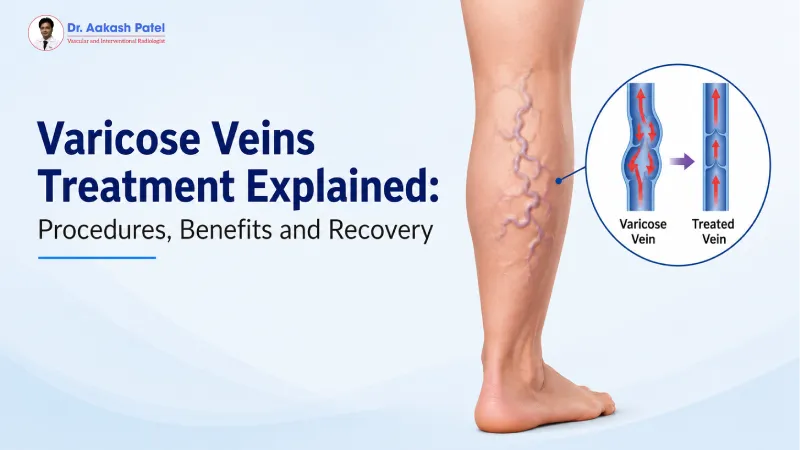
Usually found on the legs, varicose veins are swollen and twisted veins. They develop when vein valves do not function properly, causing blood to collect inside the veins instead of flowing efficiently.
Some common symptoms include:
- Visible blue or purple veins
- Leg heaviness
- Aching or discomfort
- Swelling around the ankles
- A feeling of tiredness in the legs
- Itching around affected veins
People searching for varicose veins treatment near me often seek medical advice when these symptoms begin affecting their daily routine.
Understanding Varicose Veins Treatment
Modern varicose veins treatment focuses on improving blood flow and reducing symptoms through targeted procedures. The right approach depends on the patient's condition and medical evaluation.Dr Aakash Patel provides personalised treatment recommendations based on individual needs and vascular assessment.
Common Procedures Used for Varicose Veins Treatment
1. Endovenous Laser Therapy (EVLT)
This minimally invasive treatment closes the damaged vein using laser radiation. Improved circulation results from blood being automatically redirected to healthier veins.
2. Radiofrequency Ablation (RFA)
Radiofrequency energy is used under ultrasound guidance to close the affected vein. This technique is frequently applied to certain venous disorders.
3. Sclerotherapy
A special solution is introduced into the affected vein, causing it to gradually close over time.
4. Image-Guided Vascular Procedures
Imaging such as ultrasound guides the needles, wires and catheters during the procedure, with attention to patient comfort.
These treatment options have changed the approach to varicose veins treatment, providing alternatives to conventional surgery for many patients.
Benefits of Minimally Invasive Vein Treatment
Minimally invasive procedures may offer several advantages, although like all procedures they carry some risk, such as bruising, nerve irritation or, rarely, a blood clot (DVT).
Key Benefits Include:
- Smaller incisions
- Usually less physical discomfort
- Often a faster return to daily activities
- May improve circulation
- Shorter recovery period in many cases
- Image guidance during the procedure
Patients looking for varicose veins treatment near me often prefer minimally invasive options because they are designed with comfort and convenience in mind.
Recovery After Treatment
Depending on the operation and each patient’s unique health conditions, recovery varies.Most patients are advised to follow their doctor's recommendations carefully.
Some commonly suggested practices include:
- Staying physically active with light walking.
- Wearing compression stockings if recommended.
- Avoiding prolonged sitting or standing.
- Attending follow-up appointments.
- Maintaining a healthy lifestyle.
At Dr Aakash Patel, we provide complete guidance throughout the recovery journey so patients feel supported at every stage.
When Should You Consult a Specialist?
Seeing a doctor could be helpful if you encounter:
- Persistent leg pain
- Swelling around the ankles
- Visible bulging veins
- Skin changes around the affected area
- Increasing discomfort during daily activities
Without assessment, symptoms may progress in some people. People experiencing these concerns often begin searching for varicose veins treatment near me to understand their available options.
Why Early Diagnosis Matters
Early assessment allows specialists to know the extent of the problem and suggest suitable treatment options. Early assessment is also useful for improving the management of symptoms and maintaining good blood vessels health.
The main principle followed by Dr Aakash Patel includes provision of detailed consultations and efficient treatment according to one’s specific needs. In his view, patient education and communication are crucial elements of quality medical services.Proper diagnosis is very significant for people who want to undergo varicose veins treatment.
Vein Care with Dr Aakash Patel
Dr Aakash Patel performs minimally invasive, image-guided vascular procedures. Combining imaging technology with a patient-oriented approach, we plan procedures in line with each patient's requirements.
From someone with initial varicose veins problems to someone looking for advice on their procedure choice, Dr Aakash Patel provides services using minimally invasive, image-guided methods.
About the Clinic
The Dr Aakash Patel, clinic is a place where personalized care through technology and evidence-based practices is emphasized. At our clinic, everything starts from understanding our patients' problems and recommending a suitable vein care option depending on the individual medical needs of each patient. Clear communication and patients' overall health are valued here. The clinic is at KD Hospital, Vaishnodevi Circle, S.G. Highway, Ahmedabad, open Monday–Saturday, 10 AM–6 PM. Patients can discuss minimally invasive vein care techniques and their benefits and risks.
Conclusion
The treatment modalities that exist today have helped varicose vein conditions be managed in many cases without open surgery. Knowing the kinds of procedures that can be undertaken and what they entail will assist in making informed choices. Dr Aakash Patel is a vascular and interventional radiologist who combines imaging technology with a patient-focused approach to care. Regardless of whether the symptoms are minor or pronounced, taking professional advice at the earliest stages can help improve vein health.
Looking for reliable information about varicose veins treatment or searching for varicose veins treatment near me? Dr Aakash Patel provides minimally invasive, patient-focused vascular care. To learn more about these treatments and discuss your condition with a specialist, call us at +91 95869 61070 or book your appointment. The doctor will explain the options, benefits and risks for your condition.
Frequently Asked Questions
Varicose Veins Vein Treatment Vascular Specialist Minimally Invasive Treatment Vein Care Healthy Circulation Interventional Radiology