
What is Deep vein Thrombosis (DVT) Disease?
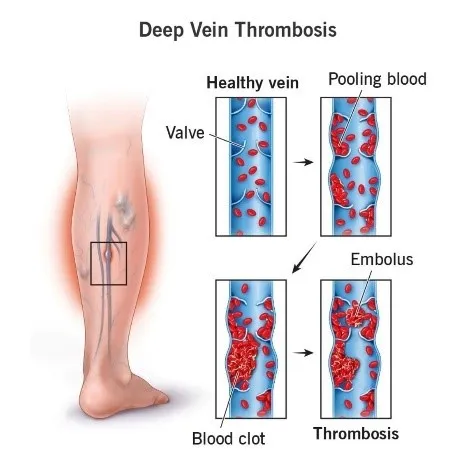
Deep vein thrombosis, or DVT, is a condition where blood clots form in the deep veins of the body, typically in the legs. These clots can cause pain, swelling, and discomfort in the affected leg. In some cases, DVT may not show any noticeable symptoms, making it important to be aware of risk factors such as prolonged immobility, surgery, or a family history of blood clots. If left untreated, DVT can lead to serious complications like pulmonary embolism, where the clot travels to the lungs and blocks blood flow. It is essential to seek medical attention if you experience symptoms of DVT to prevent further complications and receive appropriate treatment.
Dr. Aakash Patel, a vascular and interventional radiologist in Ahmedabad, diagnoses and treats conditions like DVT. Using minimally invasive, image-guided procedures, Dr. Patel can provide interventions that aim to dissolve blood clots and improve blood flow in the affected veins. By seeking timely medical care, individuals with DVT can receive treatment suited to their condition, which may help relieve symptoms and reduce the risk of complications associated with this condition.
Symptoms of Deep vein Thrombosis (DVT)
- Throbbing pain in one leg (rarely both legs), usually in the calf or thigh, when walking or standing up
- Swelling in one leg (rarely both legs)
- Warm skin around the painful area
- Red or darkened skin around the painful area. This may be harder to see on brown or black skin
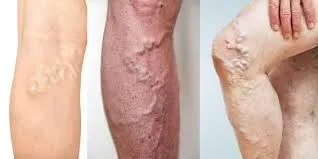
- Swollen veins that are hard or sore when you touch them
What is Catheter Directed Thrombolysis Treatment
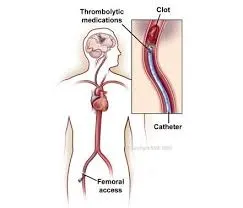
Dr. Aakash Patel treats deep vein thrombosis (DVT) using a procedure called Catheter Directed Thrombolysis (CDT). This minimally invasive technique involves inserting a catheter into the affected vein under fluoroscopic guidance and delivering a clot-dissolving medication directly to the blood clot. The medication, usually tPA, helps to break down the clot and restore normal blood flow. The catheter remains in place for an extended period, typically 24 hours, to allow treatment of the DVT.
Percutaneous transcatheter treatment, like CDT, is a minimally invasive approach to managing DVT by removing blood clots from deep veins, commonly found in the legs. This procedure allows targeted delivery of medication to the clot, which may reduce the risk of complications associated with DVT. Before treatment, Dr. Patel explains whether this technique is suitable, along with its benefits and risks, so that patients with deep vein thrombosis can make an informed decision about their care.
How We Process
Dr. Aakash Patel provides Catheter Directed Thrombolysis , a minimally invasive, image-guided procedure. The length of treatment and of the hospital stay depends on the clot and the patient's condition, and the doctor explains this before the procedure.
Here's what to expect during your Catheter Directed Thrombolysis treatment for Deep vein Thrombosis (DVT) :
- Upon arrival, you'll be provided with a comfortable hospital gown and positioned on the exam table, which will be adjusted for optimal access to the treatment area. Special protective measures will be taken to ensure your safety and comfort.
- Dr. Patel will begin by administering a local anesthetic to numb the treatment area. Using imaging guidance such as ultrasound and X-ray fluoroscopy, he will carefully locate the affected area before and during the procedure.
- A small incision will be made, usually near the affected vein, to access the blood vessels. Through this incision, a catheter will be inserted and guided to the targeted area where the clot is located.
- Once the catheter is in place, medication will be delivered directly to the clot to dissolve it. This process, known as thrombolysis, aims to restore blood flow and prevent complications associated with deep vein thrombosis (DVT).
- After the procedure, you may experience some discomfort, which can be managed with medication. You'll be monitored during and after treatment, and discharged home with instructions for follow-up care.
Risks of Catheter Directed Thrombolysis include bleeding at the access site or elsewhere (rarely serious, including in the brain), contrast reaction and clot recurrence, so suitability depends on each patient's bleeding risk. Recovery and symptom relief vary from person to person.
Doctor For Catheter Directed Thrombolysis Treatment
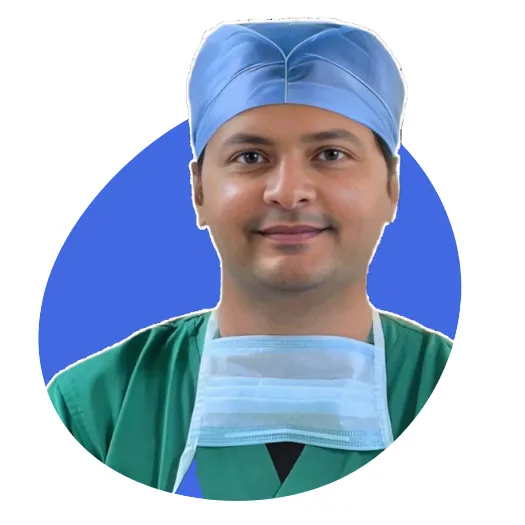
Dr. Aakash Patel
Vascular & Interventional Radiologist
MBBS | DNB (Radiodiagnosis) | FVIR (Fellowship in Vascular & Interventional Radiology)Reg. No.: G-43791 (Gujarat Medical Council)
Dr. Aakash Patel – Dr. Patel’s “Health through pinhole access” is a specialized initiative founded by Dr. Aakash Patel. Recognizing the general preference for non-surgical treatment options, Dr. Patel is dedicated to providing minimally invasive solutions for a variety of conditions, including Varicose veins, Knee pain, Uterine fibroids, Thyroid nodules, Liver cancers and more.