What is Deep Vein Thrombosis (DVT) Disease?
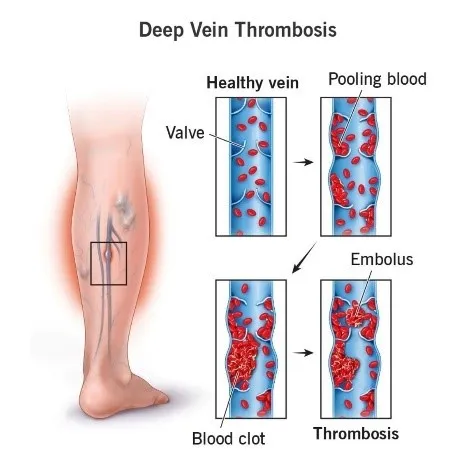
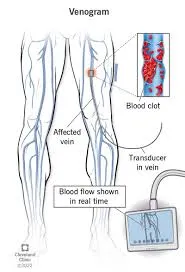
Deep vein thrombosis, or DVT, is a condition where blood clots form in the deep veins of the body, typically in the legs. These clots can cause pain, swelling, and discomfort in the affected leg. In some cases, DVT may not show any noticeable symptoms, making it important to be aware of risk factors such as prolonged immobility, surgery, or a family history of blood clots. If left untreated, DVT can lead to serious complications like pulmonary embolism, where the clot travels to the lungs and blocks blood flow. It is essential to seek medical attention if you experience symptoms of DVT to prevent further complications and receive appropriate treatment.
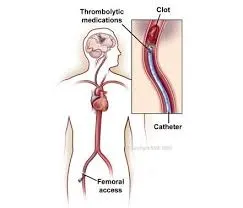
Dr. Aakash Patel, a vascular and interventional radiologist in Ahmedabad, diagnoses and treats conditions like DVT. Most DVT is treated with blood thinners (anticoagulation); for selected patients, Dr. Patel can provide minimally invasive, image-guided interventions that aim to dissolve blood clots and improve blood flow. By seeking timely medical care, individuals with DVT can receive treatment suited to their condition, which may help relieve symptoms and reduce the risk of complications associated with this condition.
Symptoms of Deep vein Thrombosis (DVT)
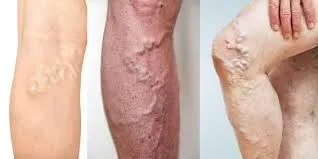
- Throbbing pain in one leg (rarely both legs), usually in the calf or thigh, when walking or standing up
- Swelling in one leg (rarely both legs)
- Warm skin around the painful area
- Red or darkened skin around the painful area. This may be harder to see on brown or black skin
- Swollen veins that are hard or sore when you touch them