
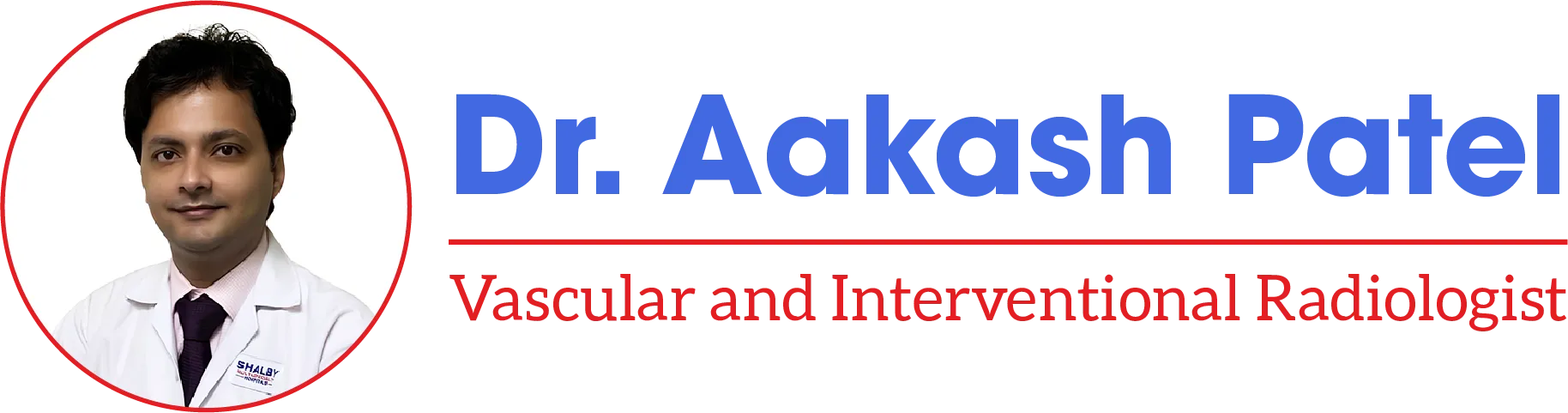
Dr. Aakash Patel: Uterine Fibroid and Adenomyosis Treatment
Dr. Aakash Patel is an interventional radiologist who treats uterine fibroids and adenomyosis in Ahmedabad. He offers minimally invasive, image-guided uterine fibroid treatment and explains the options, benefits and risks to patients seeking management of these conditions. Uterine fibroids are benign tumors in the uterus that can cause significant discomfort, including heavy menstrual bleeding and pelvic pain. Adenomyosis, a condition where the uterine lining grows into the muscular wall, also leads to severe menstrual cramps and heavy bleeding. Dr. Aakash Patel’s approach includes a detailed evaluation of each patient's condition, providing personalized treatment plans that address individual symptoms and needs. Treatment is performed with catheters and wires guided by imaging, so it is minimally invasive and does not require open surgery.
Recognizing Symptoms of Uterine Fibroids and Adenomyosis
Understanding the symptoms of uterine fibroids and adenomyosis is crucial for timely treatment. Common symptoms of uterine fibroids include painful menstrual cramps (dysmenorrhea), heavy menstrual bleeding (menorrhagia), and irregular menstruation. Patients may also experience pelvic pain, which can range from mild to severe, and painful intercourse (dyspareunia). For those with adenomyosis, symptoms include similar severe menstrual cramps and heavy bleeding, along with an enlarged uterus and a feeling of bloating or fullness in the abdomen, often referred to as adenomyosis belly. Infertility is another potential issue associated with both conditions. If you notice these symptoms, a consultation with a doctor such as Dr. Aakash Patel can help with diagnosis, management and relief of these conditions.
Uterine Fibroid Embolization (UFE) Treatment by Dr. Aakash Patel
Dr. Aakash Patel performs Uterine Fibroid Embolization (UFE), a minimally invasive treatment for uterine fibroids and adenomyosis. This procedure, also known as uterine artery embolization (UAE) , offers a non-surgical alternative for managing these conditions. During the UFE procedure, tiny particles are injected into the uterine arteries to block blood flow to the fibroids or affected tissue, which can lead to their shrinkage and relief of symptoms. The treatment is performed on an outpatient basis, usually taking less than an hour, and many patients return home the same day. Dr. Aakash Patel plans each UFE procedure around the patient’s specific needs, aiming to relieve symptoms like heavy periods and pelvic pain while preserving the uterus; results vary from person to person.
The UFE Procedure: What to Expect
When undergoing uterine artery embolization (UAE) with Dr. Aakash Patel, patients can expect the following steps. The procedure typically starts with the patient wearing a hospital gown and positioning on the exam table for optimal access. Dr. Aakash Patel administers a local anesthetic to numb the treatment area, which reduces discomfort. Using imaging guidance, such as X-rays and CT scans, he locates the fibroids or adenomyosis. A small incision is made, usually in the groin area, to insert a catheter into the targeted blood vessels. Tiny particles are then injected to block blood flow to the affected areas, leading to the shrinkage of the fibroids or affected tissue. Post-procedure, patients may experience some cramping, which can be managed with medication. Dr. Aakash Patel provides follow-up care after the procedure to monitor recovery and answer any questions about the expected course.
Benefits of Uterine Fibroid Embolization (UFE)
uterine artery embolization (UAE), as performed by Dr. Aakash Patel, may offer several benefits compared to traditional surgical options. This minimally invasive procedure is done through a small puncture in the skin, so there is no surgical incision, although it still carries some risks. By targeting the uterine arteries with tiny particles, UFE can shrink uterine fibroids and adenomyosis tissue, which may relieve symptoms such as heavy bleeding and pelvic pain. Unlike open surgery, UFE typically requires a shorter recovery period, and many patients are able to resume normal activities sooner. The procedure preserves the uterus, making it an option to discuss for women who wish to avoid more invasive surgical interventions. Dr. Aakash Patel explains the expected benefits and risks of UFE before treatment, with a focus on minimizing discomfort and downtime.
Conclusion
For women seeking relief from uterine fibroids and adenomyosis, Dr. Aakash Patel provides care with a focus on minimally invasive treatments. He performs uterine artery embolization (UAE), a minimally invasive alternative to traditional surgical methods that may relieve symptoms with a shorter recovery time. Dr. Aakash Patel’s approach to treatment involves personalized care plans tailored to each patient’s needs, with attention to comfort; results vary. If you are experiencing symptoms related to uterine fibroids or adenomyosis, consulting Dr. Aakash Patel can help you understand your treatment options.
For more information about uterine artery embolization (UAE) and to explore your treatment options, please contact Dr. Aakash Patel at 095869 61070 or email aakashptl9@gmail.com. The doctor will explain the options, benefits and risks that apply to your situation.