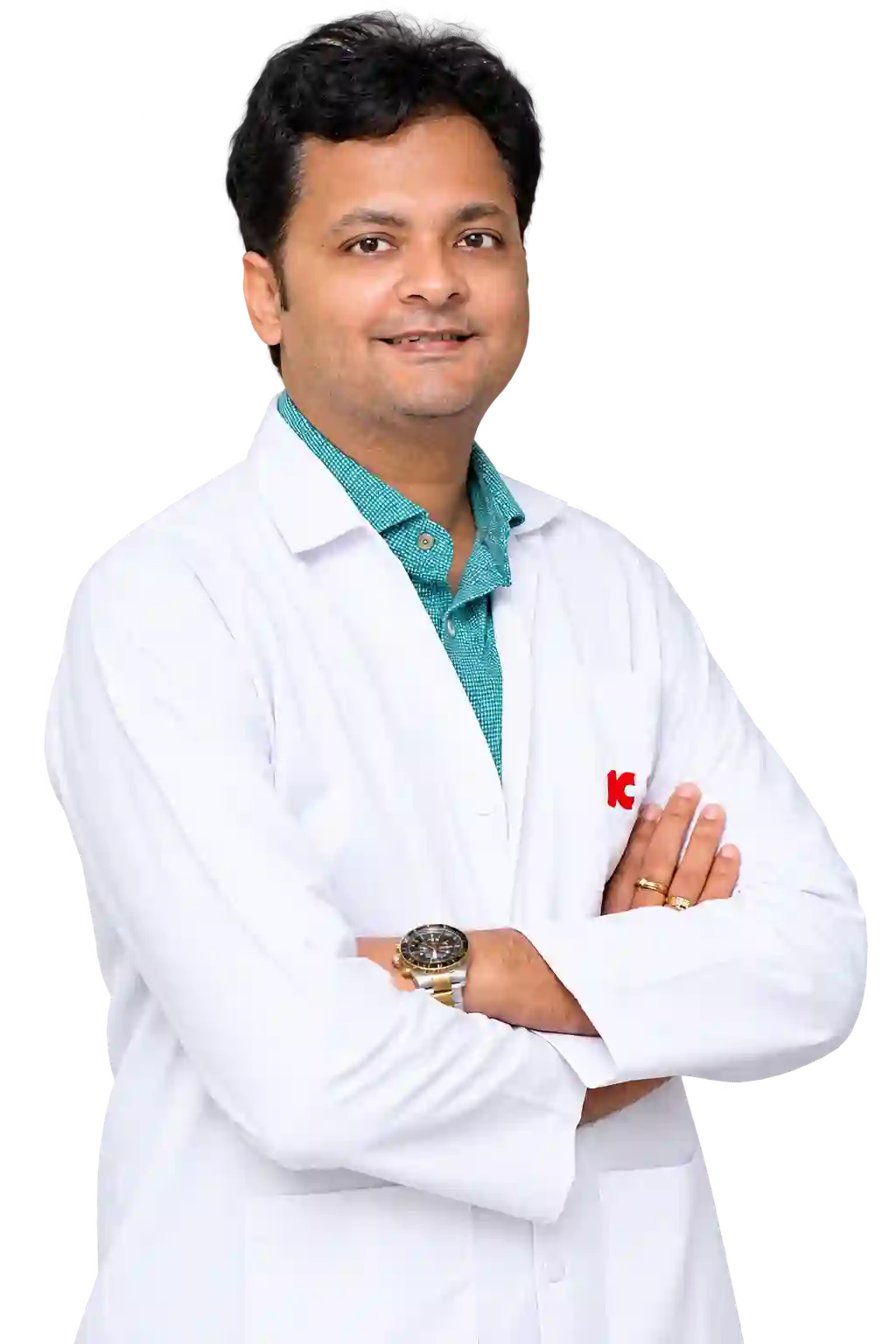

Thyroid nodules are common growths that develop in the thyroid gland, a butterfly-shaped organ located at the base of the neck. These nodules are usually benign, but in some cases, they can be cancerous or lead to other thyroid-related problems. Dr. Aakash Patel, a Vascular and Interventional Radiologist in Ahmedabad, specializes in diagnosing and managing thyroid nodules with a patient-centered, minimally invasive, image-guided approach.
As thyroid nodules are often detected during routine physical exams or imaging for unrelated issues, it’s important not to panic upon discovery. Instead, the focus should be on accurate diagnosis, regular monitoring, and appropriate treatment when required. With developments in interventional radiology, many thyroid nodules can today be managed with image-guided procedures that are less invasive than traditional surgical methods.
What Are Thyroid Nodules?
A thyroid nodule is a lump that forms within the thyroid gland. These nodules can be solid, filled with fluid, or a mix of both. Most people with thyroid nodules do not experience symptoms, and often the nodules are small enough to go unnoticed. However, as they grow larger, they might cause:
- A visible lump in the neck
- Trouble swallowing
- Breathing difficulties
- Hoarseness
- Discomfort or tightness in the throat
While most thyroid nodules are benign and don't require aggressive treatment, some may need further investigation to rule out malignancy or other complications. Dr. Aakash Patel helps patients navigate these concerns with careful evaluation and personalized treatment.
What Causes Thyroid Nodules?
Understanding the causes can help in better diagnosis and monitoring. Common causes of thyroid nodule disease include:
- Iodine deficiency
- Thyroiditis (inflammation of the thyroid gland)
- Overgrowth of normal thyroid tissue
- Thyroid cysts
- Multinodular goiter
- Thyroid cancer (rare but serious)
Risk factors such as family history, radiation exposure, and certain genetic conditions may increase the likelihood of developing thyroid nodules.
How Are Thyroid Nodules Diagnosed?
Diagnosis is crucial to determine the nature of the nodule—whether it’s benign, malignant, or functioning abnormally.
- Physical Examination: During a routine check-up, a physician might notice a lump in the neck. Dr. Aakash Patel will then recommend further tests to confirm its characteristics.
- Ultrasound Examination: One of the key diagnostic tools is ultrasound imaging, which helps to assess the nodule’s size, shape, and composition. Ultrasound is safe, non-invasive, and provides real-time images that guide the decision-making process.
- Fine-Needle Aspiration Biopsy (FNAB): If there are any suspicious features, Dr. Aakash Patel may perform an ultrasound-guided FNAB. This involves using a thin needle to collect tissue from the nodule for lab analysis. It helps detect cancer or other thyroid abnormalities.
- Blood Tests: These tests check for hormone levels like TSH, T3, and T4 to understand thyroid gland functionality.
- Thyroid Scintigraphy: In some cases, a radioactive iodine scan is performed to see whether the nodule is producing hormones. Nodules can be "hot" (overactive), "cold" (underactive), or "warm" (normal function).
Is a Thyroid Nodule Dangerous?
Most thyroid nodules are not dangerous. However, about 5–15% of nodules can be cancerous. That’s why careful evaluation is important. Dr. Aakash Patel uses an image-guided approach to look for concerning features early and recommend appropriate care.
Symptoms that may indicate a serious issue include:
- Rapid nodule growth
- Hoarseness
- Difficulty swallowing
- Family history of thyroid cancer
- Nodule that feels hard or immobile
In these cases, prompt medical evaluation and thyroid nodule disease treatment are advisable.
Advantages of Minimally Invasive Treatments for Thyroid Nodules
Minimally invasive treatments like RFA and PEI offer several benefits:
- No surgical incision, so usually no visible scar
- Preservation of thyroid gland
- Usually a short recovery time
- Generally lower complication risks than surgery
- Local anesthesia
- Outpatient procedure
Minimally invasive thyroid nodule treatment may improve symptoms and overall quality of life in suitable patients; results vary from person to person.
Living with Thyroid Nodules
Even after treatment, regular follow-up is vital to track any recurrence or new growths. Monitoring includes:
- Periodic ultrasound evaluations
- Hormonal testing
- Physical exams
Dr. Aakash Patel’s clinic in Ahmedabad provides long-term care and support tailored to each patient’s condition. He collaborates with endocrinologists, surgeons, and pathologists to provide comprehensive thyroid care.
About Dr. Aakash Patel
A careful consultation is the first step towards an accurate diagnosis and effective treatment. Dr. Aakash Patel is an Interventional Radiologist in Ahmedabad (MBBS, DNB Radiodiagnosis, FVIR) who offers non-surgical management of thyroid nodules. He uses ultrasound guidance and minimally invasive techniques to diagnose and treat patients with care. His approach focuses on personalized treatment plans, and he explains the options, benefits and risks of each procedure. He practises at KD Hospital, Vaishnodevi Circle, S.G. Highway, Ahmedabad, Monday to Saturday, 10 AM to 6 PM. Appointments can be booked on +91-9586961070.
Conclusion
Thyroid nodule disease is a manageable condition, especially when diagnosed early and treated by a specialist. While most nodules are benign, understanding the types, symptoms, and modern treatments can make a significant difference in patient outcomes. With image-guided techniques like ultrasound-guided biopsy, RFA, and PEI, patients now have more minimally invasive treatment options available. If you’re dealing with a thyroid nodule, you can consult an interventional radiologist such as Dr. Aakash Patel to discuss image-guided options for thyroid nodules.
Looking for information on the Type of Treatments for Thyroid Nodule Disease? Call +91 9586961070 or Book an Appointment with Dr. Aakash Patel for thyroid nodule care in Ahmedabad.