

Table of Contents
- Introduction
Key Takeaways
- Venography Treatment for Deep Veins Thrombosis (DVT) supports detailed vascular evaluation and treatment planning.
- Modern Venography Treatment plays an important role in understanding vein-related conditions.
- Early diagnosis helps improve planning for Deep Veins Thrombosis (DVT) Treatment.
- Vascular imaging supports better clinical understanding and patient management.
- Recovery and follow-up remain important parts of DVT care.
Dr Aakash Patel is dedicated to advanced vascular care and minimally invasive treatment approaches focused on patient-centred management and specialised venous care.Pain, swelling, heaviness, and sudden discomfort can easily be overlooked by people who think these are just temporary symptoms. In some cases, these could be signs of some underlying vascular health problems, which need to be addressed. The first one is Deep Vein Thrombosis, also known as DVT. This occurs when blood clots develop in the veins, typically in the lower extremities. Since its symptoms can occur slowly or mimic other diseases, patients tend to delay their consultation.
People have become more aware of DVT because the proper diagnosis and treatment plan are crucial in the treatment of the disease. The latest advances in vascular care involve the use of imaging tests, specialized evaluations, and minimally invasive procedures in order to come up with a viable treatment plan. Among these techniques, Venography Treatment is now becoming an essential part of vascular assessment and treatment planning.
Those seeking out Venography Treatment for Deep Veins Thrombosis (DVT) would want to know how it benefits the patient, when it is applied, and why it is still relevant in today’s healthcare setting.
Understanding Deep Vein Thrombosis (DVT)
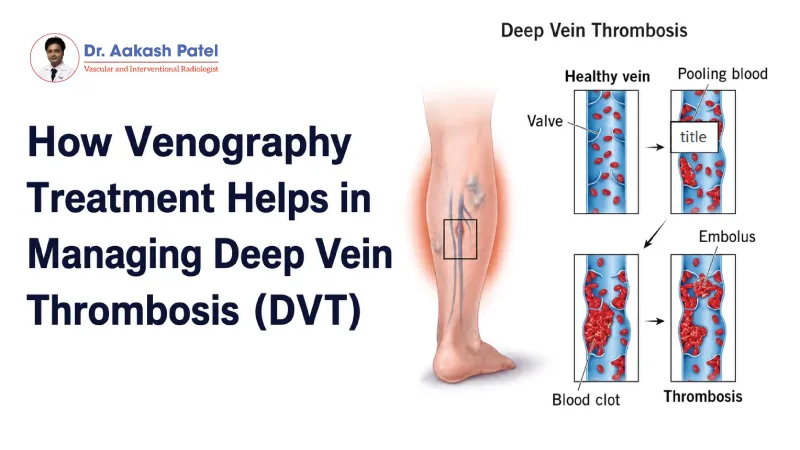
Deep Vein Thrombosis refers to the formation of blood clots within deeper veins, most commonly affecting the legs. The condition requires attention because blood flow changes within deep veins may influence vascular health and overall circulation.
Symptoms can differ between patients. Some individuals notice swelling and heaviness, while others experience pain or visible changes. In some situations, symptoms remain less obvious initially.
Common signs may include:
- Swelling in one leg
- Leg discomfort or heaviness
- Warmth or tenderness in the affected area
- Changes in appearance of the limb
Early identification supports better planning for Deep Veins Thrombosis (DVT) Treatment because diagnosis guides treatment pathways.
Patients increasingly seek Venography Treatment for Deep Veins Thrombosis (DVT) because vascular imaging helps specialists understand vein conditions in greater detail.
What Is Venography Treatment?
Venography Treatment refers to vascular imaging-supported evaluation techniques used to visualise veins and assess blood flow patterns.The procedure helps specialists study venous structures and understand abnormalities that may influence treatment decisions.
Unlike general imaging approaches, Venography Treatment focuses specifically on venous pathways, supporting detailed evaluation during selected vascular conditions.
Patients undergoing Venography Treatment for Deep Veins Thrombosis (DVT) often receive detailed assessment because understanding clot location, venous flow, and structural findings helps guide management.
This evaluation becomes important before planning Deep Veins Thrombosis (DVT) Treatment because every patient condition differs.Modern vascular care increasingly depends on accurate imaging and patient-specific assessment.
How Venography Supports DVT Management
The management of DVT requires more than symptom observation. Specialists often need detailed information regarding blood flow patterns and vein condition before treatment planning.
This is where Venography Treatment supports vascular assessment.
The process helps specialists evaluate:
- Venous pathways and circulation patterns
- Areas affected by vascular changes
- Structural findings supporting treatment planning
- Patient-specific vascular conditions
Detailed evaluation through Venography Treatment for Deep Veins Thrombosis (DVT) supports clinical understanding and treatment discussions.Patients often feel more confident when diagnosis is supported by structured imaging because it provides clarity regarding treatment planning.
Accurate assessment remains an important step before beginning Deep Veins Thrombosis (DVT) Treatment pathways.
Modern Approaches to Deep Veins Thrombosis (DVT) Treatment
Management of DVT has evolved considerably over time. Modern care focuses strongly on patient-centred planning and detailed vascular evaluation.
Current Deep Veins Thrombosis (DVT) Treatment approaches depend on diagnosis findings, symptom severity, clot characteristics, and overall patient condition.
Treatment planning generally focuses on:
- Detailed vascular assessment
- Individualised management strategies
- Recovery-focused care pathways
- Long-term vascular monitoring
Patients undergoing Venography Treatment for Deep Veins Thrombosis (DVT) often benefit because imaging findings support structured treatment decisions.The objective is not only treatment but also long-term vascular management and patient guidance.
Why Early Diagnosis Matters in DVT
One challenge with DVT is delayed recognition. Symptoms such as heaviness or swelling may initially appear minor, causing patients to postpone consultation.However, early evaluation remains important because timely diagnosis supports better Deep Veins Thrombosis (DVT) Treatment planning.
Patients experiencing persistent symptoms often undergo Venography Treatment because vascular assessment helps specialists understand vein health and circulation status.
Early consultation may support:
- Faster evaluation and diagnosis
- Better treatment planning
- Improved patient understanding
- Structured vascular monitoring
Awareness remains an important part of managing DVT effectively.
Recovery and Long-Term Management
Recovery forms an important part of DVT care. Treatment planning does not end after diagnosis because ongoing monitoring and vascular management remain important.Following Deep Veins Thrombosis (DVT) Treatment, patients may receive recommendations related to follow-up care, activity guidance, and recovery monitoring.
Patients who undergo Venography Treatment for Deep Veins Thrombosis (DVT) often benefit from structured evaluation because treatment planning becomes more personalised.
Recovery goals commonly include:
- Monitoring vascular progress
- Supporting patient comfort
- Encouraging follow-up evaluation
- Maintaining long-term vein health
This patient-focused approach helps improve confidence and treatment understanding.
Why Choose Us
The treatment process at Dr Aakash Patel involves thorough vascular assessment and tailored treatment planning. At Dr Aakash Patel, we strongly believe that vein disorders should be properly evaluated and supported by advanced imaging and proper patient management. Dr Aakash Patel's treatment philosophy is based on specialized vascular treatment, interventional treatments, and overall assistance in the entire diagnostic and treatment process. The reason why our patients choose Dr Aakash Patel is our dedication to advanced treatment processes and clinical guidance.
Conclusion
Early diagnosis is necessary for Deep Vein Thrombosis as it helps greatly in formulating a plan of treatment. Modern Venography Treatment assists in conducting proper evaluation of veins and gives the specialists the ability to understand the situation better. For those who undergo Venography Treatment for Deep Vein Thrombosis (DVT), there is always need for thorough evaluation and formulation of treatment plan. In the same way, effective Deep Vein Thrombosis (DVT) Treatment involves proper diagnosis, understanding and constant monitoring of patients.
Need expert guidance for Venography Treatment for Deep Veins Thrombosis (DVT)? Connect with Dr Aakash Patel at +91 95869 61070 or book your appointment today.
Frequently Asked Questions
DVT Treatment Venography Deep Vein Thrombosis Vascular Care Interventional Radiology Venous Disorders Healthcare Ahmedabad Minimally Invasive Care Vein Health Medical Treatment