
Table of Contents
- Introduction
Key Takeaways
- Genicular Artery Embolization (GAE) offers a minimally invasive option for chronic knee pain management in Ahmedabad.
- The GAE procedure targets abnormal blood vessels to reduce inflammation and provide pain relief.
- A short recovery time and improved mobility are possible benefits of Genicular Artery Embolization treatment; results vary.
- Dr. Aakash Patel, an interventional radiologist, performs genicular artery embolization for selected patients with chronic knee pain.
- More patients are asking about minimally invasive options like GAE as an alternative to traditional surgery.
Dr Aakash Patel is a vascular and interventional radiologist providing minimally invasive procedures intended to improve quality of life and support patients dealing with persistent pain conditions. We understand how chronic knee pain can interfere with simple daily activities and limit mobility. Modern interventional radiology has opened new possibilities, offering treatment options that focus on patient comfort and faster recovery.
Living with Chronic Knee Pain Can Affect Everyday Life
Climbing stairs, walking short distances, or even standing for long periods can become challenging when chronic knee pain becomes part of daily life. Many individuals continue to struggle despite medication, physiotherapy, and lifestyle modifications.
This has increased interest in minimally invasive procedures such as Genicular Artery Embolization (GAE). The procedure has emerged as an option for selected patients experiencing ongoing knee pain, especially those seeking alternatives to conventional surgery.
Patients looking for Genicular Artery Embolization (GAE) Treatment in Ahmedabad often seek minimally invasive options that focus on symptom management and improved mobility.
What Is Genicular Artery Embolization (GAE)?
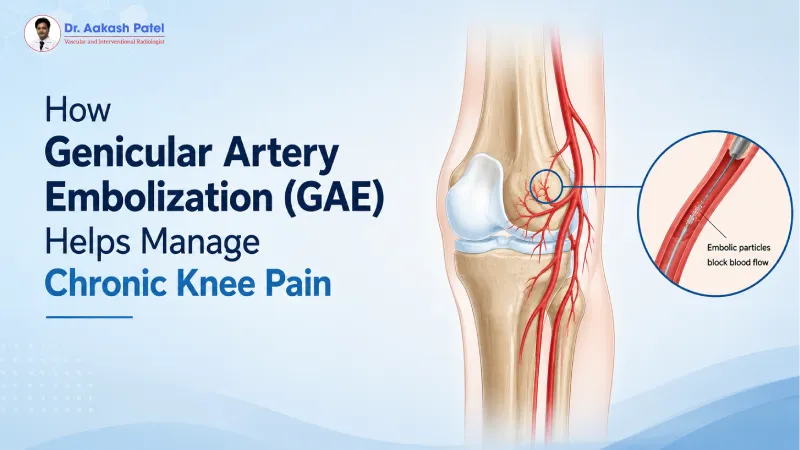
Genicular Artery Embolization (GAE) is an image-guided procedure performed by interventional radiology specialists. It targets abnormal blood vessels around the knee that may contribute to inflammation and pain.
The procedure is performed under X-ray imaging guidance, allowing doctors to access the treatment area accurately. Because it is minimally invasive, it generally involves smaller punctures instead of large surgical incisions.
As awareness grows, more people are exploring Genicular Artery Embolization (GAE) Treatment as a potential option for managing chronic knee pain.
Who May Benefit from GAE?
The procedure may be considered for individuals who:
- Experience persistent knee pain.
- Have symptoms affecting daily activities.
- Are looking for non-surgical options.
- Have not achieved satisfactory relief from conservative measures.
- Wish to explore minimally invasive treatment approaches.
Every patient is different, and treatment recommendations are based on clinical evaluation and individual requirements.
How Does the Procedure Work?
During Genicular Artery Embolization (GAE), imaging guidance helps identify blood vessels associated with inflammation around the knee. Tiny particles are then introduced to reduce abnormal blood flow in targeted areas.
This approach focuses on reducing inflammation, which may contribute to symptom relief in selected patients.The procedure is carried out under image guidance and is designed to minimise disruption to surrounding tissues.
Benefits of Genicular Artery Embolization
Modern interventional radiology procedures are becoming increasingly popular because they focus on patient comfort and recovery.
Some key advantages include:
- Minimally invasive approach
- Smaller entry points
- Reduced disruption to surrounding tissues
- Faster recovery in many patients
- Possible improvement in mobility and comfort
- Image-guided precision
These benefits have contributed to the growing demand for Genicular Artery Embolization (GAE) Treatment in Ahmedabad among patients looking for alternatives to major surgery.
Recovery After the Procedure
Recovery experiences may vary from person to person. Most patients are encouraged to follow their doctor's advice regarding physical activity and follow-up care.
General recommendations may include:
- Gradually returning to routine activities.
- Following prescribed rehabilitation plans.
- Attending scheduled follow-up visits.
- Maintaining an active and healthy lifestyle.
- Reporting any unusual symptoms to the doctor.
At Dr Aakash Patel, we believe that recovery support is just as important as the procedure itself.
Why Minimally Invasive Treatments Are Gaining Attention
Patients today often prefer treatment options that fit into their lifestyle and involve shorter recovery periods.
The increasing popularity of Genicular Artery Embolization (GAE) Treatment reflects this shift. Image-guided procedures provide targeted treatment while focusing on precision and patient comfort.
People searching for Genicular Artery Embolization (GAE) Treatment in Ahmedabad are often looking for minimally invasive care combined with personalised attention.
Role of Interventional Radiology in Chronic Pain Management
Interventional Radiology has changed the treatment of certain diseases. With the use of both imaging and specific processes, the doctors have been able to come up with treatments that reduce the amount of strain on the patients’ bodies.
Dr Aakash Patel uses image-guided technology and conducts thorough evaluations to tailor treatment plans for each patient individually. Each patient should be given proper advice on their specific condition. Possible risks of GAE, such as bruising at the puncture site and temporary skin discolouration over the knee, are explained before treatment; the evidence is still developing.
About Dr Aakash Patel
Chronic knee pain affects both physical and mental well-being. Dr Aakash Patel is an interventional radiologist at KD Hospital, Ahmedabad.
From getting information regarding GAE procedure to the choice of treatments that can alleviate the suffering caused by chronic knee pain, Dr Aakash Patel aims to guide you during the treatment process.Dr Aakash Patel explains the options, benefits and risks of minimally invasive treatment procedures so you can decide with confidence.
Consulting Dr. Aakash Patel
Here at Dr Aakash Patel, consultations include a review of the patient's reports and imaging. Our main aim is to ensure that each and every patient's issues are understood and that customized care is provided to solve those problems. Image-guided techniques and evidence-based medicine form the basis of our treatment options. Follow-up after the procedure is planned with each patient. Dr Aakash Patel performs minimally invasive procedures at KD Hospital, S.G. Highway, Ahmedabad.
Conclusion
Knee pain can greatly impact a person’s daily routine; however, with technological developments in medicine, there are various ways in which doctors use minimally invasive techniques to help people live healthier lives. One such technique is known as the Genicular Artery Embolization (GAE), which is a relatively new method to help treat inflammation caused by knee pain. Knowing more about the process, the benefits it offers, and the recovery period will enable a patient to make well-informed healthcare decisions. Dr Aakash Patel uses minimally invasive, image-guided techniques to help patients who suffer from chronic knee pain.
Want to learn more about Genicular Artery Embolization (GAE) Treatment and its role in managing chronic knee pain? Dr Aakash Patel can guide you with patient-focused care. For more information or to discuss your symptoms, call us at +91 95869 61070 or book your appointment to discuss whether GAE is suitable for you.
Frequently Asked Questions
Genicular Artery Embolization GAE Treatment Knee Pain Treatment Interventional Radiology Minimally Invasive Procedure Chronic Knee Pain Vascular Interventional Radiology Image-Guided Treatment Knee Health Non-Surgical Pain Management